
What Causes Toenail Fungus?
Toenail fungus, also known as onychomycosis, is a common condition that affects millions of people each year. It often starts as a small discoloration under the nail but can gradually become thick, brittle, painful, and difficult to treat if left untreated.
Athletes, older adults, and people who frequently wear sweaty or enclosed footwear are especially prone to developing fungal toenails. Because the infection develops slowly, many people do not notice it until the nail becomes visibly damaged.
Understanding the common causes of toenail fungus can help you reduce your risk and recognize early symptoms before the infection worsens. In this article, we’ll explain the most common causes, risk factors, how the infection spreads, and ways to prevent it.
What Is Toenail Fungus?
Toenail fungus is a fungal infection that affects the nail and the skin underneath it. It is most commonly caused by dermatophytes, although yeasts and molds can also lead to infection.
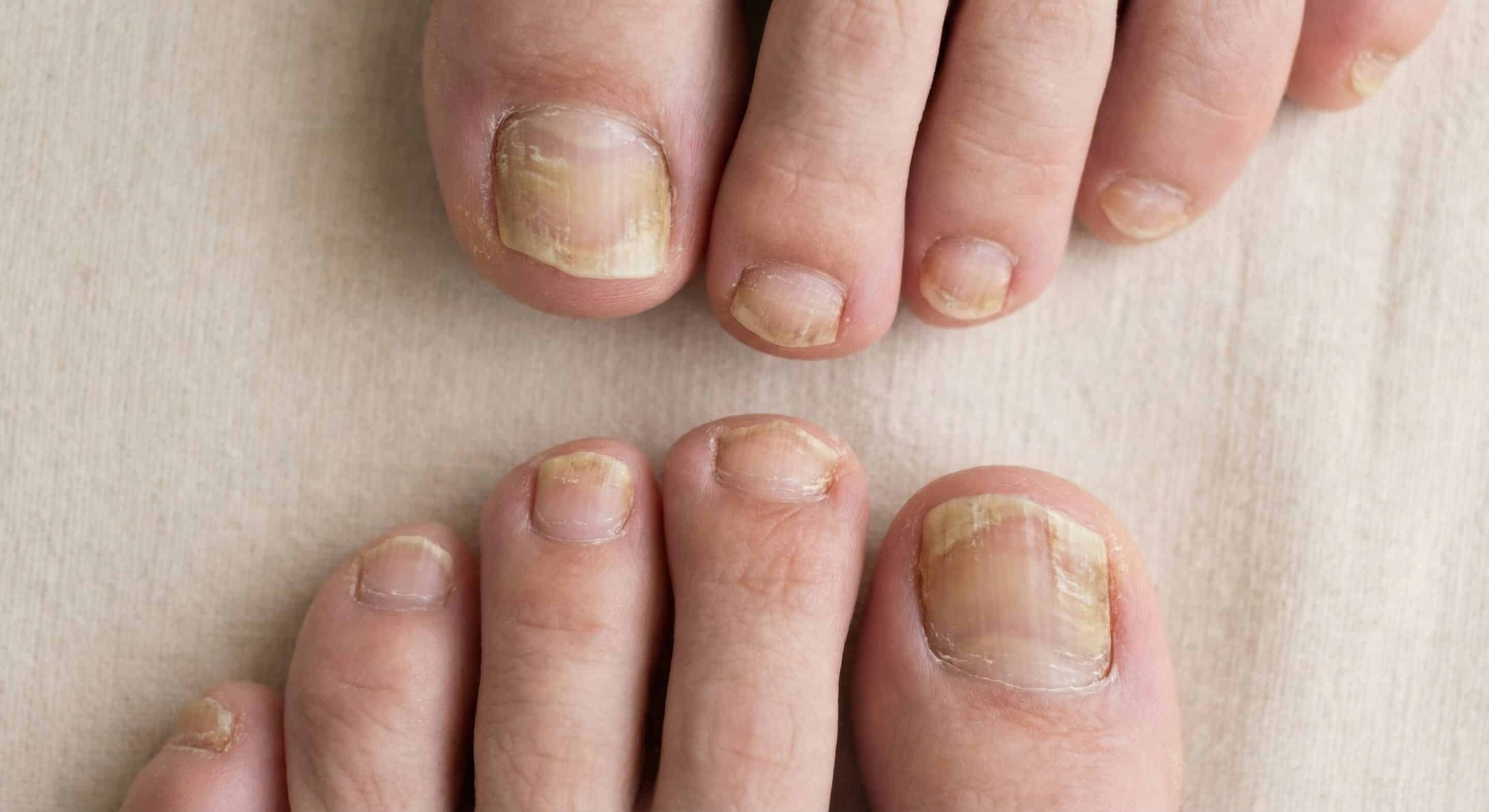
The fungus usually enters through tiny cracks in the nail or surrounding skin. Once inside, it begins to grow in the warm, moist environment beneath the nail. Over time, the nail may thicken, become discolored, lift from the nail bed, or develop a crumbly texture.
One of the biggest challenges with toenail fungus is that it develops slowly. Many people ignore the early warning signs until the infection becomes advanced and harder to treat.
The Main Causes of Toenail Fungus
Fungal Exposure in Warm, Moist Environments
Fungus thrives in damp, humid places. Common environments include:
- Locker rooms
- Public showers
- Swimming pool areas
- Gym floors
- Shared bathrooms
Walking barefoot in these areas can increase exposure to fungal organisms that can infect the nails and skin.
Footwear That Traps Moisture
Shoes that trap heat and sweat create the perfect environment for fungal growth. Tight or non-breathable footwear can keep feet damp for hours at a time.
Athletes, healthcare workers, construction workers, and others who wear enclosed footwear all day are at increased risk.
Nail Trauma or Repeated Pressure
Repeated pressure on the toenails can create tiny openings where fungus can enter. This commonly happens during:
- Running
- Hiking
- Soccer
- Basketball
- Wearing tight shoes or cleats
Long-distance runners and athletes often experience repetitive microtrauma to the nails, making fungal infections more likely.
Poor Nail Hygiene
Improper nail care can contribute to fungal growth. Common issues include:
- Not trimming nails properly
- Using dirty nail tools
- Wearing damp socks for long periods
- Failing to dry feet thoroughly after bathing or exercise
Moisture trapped around the nails creates an ideal environment for fungus.
Contaminated Nail Salons
Toenail fungus can spread through non-sanitized nail salon equipment, including foot baths, nail clippers, and files.
While nail salons are generally safe when proper cleaning procedures are followed, contaminated tools remain a preventable source of infection.
Who Is Most at Risk?
Athletes
Runners, soccer players, basketball players, and other athletes face a higher risk because of constant sweating, repetitive nail trauma, and prolonged shoe wear.
People With Sweaty Feet
Excessive sweating, also called hyperhidrosis, creates moisture that encourages fungal growth.
Older Adults
As people age, nails grow more slowly and circulation may decrease. These changes make it easier for fungus to develop and spread.
People With Diabetes or Circulation Issues
Diabetes and poor circulation can weaken the body’s ability to fight infection. Reduced sensation in the feet may also delay detection of the problem.
People With Weakened Immune Systems
Individuals with weakened immune systems are generally more susceptible to fungal infections, including toenail fungus.
People With Athlete’s Foot
Athlete’s foot and toenail fungus are closely connected. Fungus can easily spread from the skin between the toes into the toenails.
Early Signs That Toenail Fungus Is Developing
Toenail fungus often begins subtly. Common early symptoms include:
- White or yellow spots beneath the nail
- Thickening of the nail
- Brittle or crumbly texture
- Changes in nail shape
- Nail lifting from the nail bed (onycholysis)
- Mild odor in some cases
Recognizing these signs early can make treatment faster and more effective.
How Toenail Fungus Spreads
Toenail fungus can spread from one nail to another and may be transmitted:
- From one nail to another
- Through shared public surfaces
- From athlete’s foot into the nails
- Through contaminated socks or shoes
- By sharing nail tools or clippers
Without treatment, the infection often continues spreading over time.
Myths vs. Facts About Toenail Fungus
- Myth: Only “Dirty Feet” Get Toenail Fungus
- Fact: Toenail fungus commonly develops due to moisture, repeated trauma, genetics, or environmental exposure, not poor hygiene alone.
- Myth: Toenail Fungus Goes Away on Its Own
- Fact: Toenail fungus rarely resolves without treatment and usually worsens over time.
- Myth: Nail Polish Protects Nails
- Fact: Regular nail polish can trap moisture and may worsen fungal infections in some cases.
How to Prevent Toenail Fungus
Keep Feet Clean and Dry
Wash feet daily and dry carefully between the toes. Change socks regularly, especially after exercise.
Choose Breathable Shoes
Wear shoes with ventilation and moisture-wicking socks whenever possible.
Avoid Walking Barefoot in Public Areas
Always wear sandals or shower shoes in public places such as:
- Gyms
- Pools
- Hotel showers
- Dormitories
Disinfect Shoes Regularly
Antifungal sprays and UV shoe sanitizers may help reduce fungal buildup inside footwear.
Rotate Shoes
Allow shoes at least 24 hours to dry completely before wearing them again.
Trim Nails Properly
Trim nails straight across and avoid cutting them too short.
Choose Reputable Nail Salons
Make sure salons properly sterilize equipment between clients.
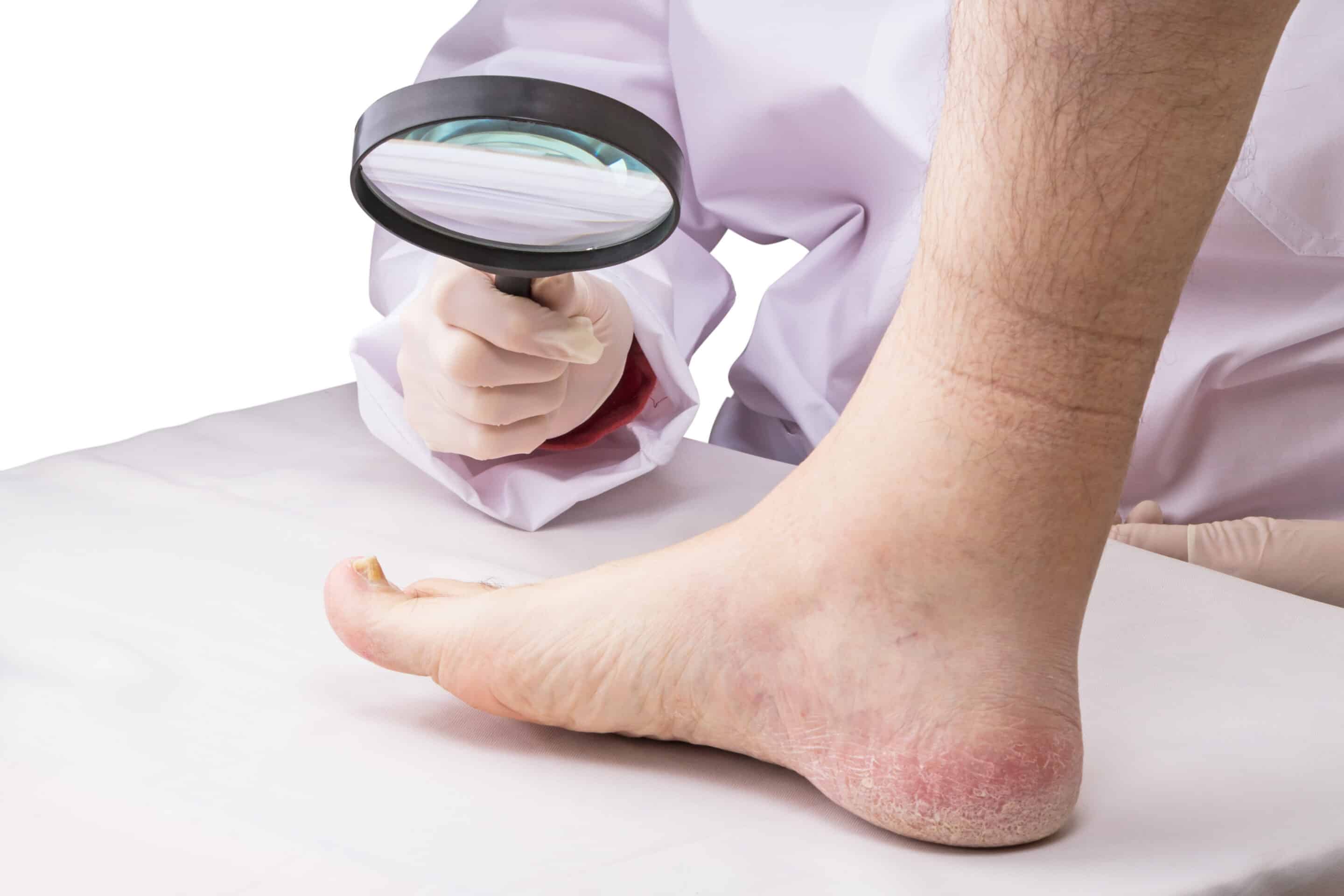
When to See a Podiatrist
You should schedule an evaluation if:
- Nails become thick, painful, or brittle
- The infection spreads to additional nails
- Over-the-counter treatments are not helping
- You have diabetes or circulation problems
- The nail becomes loose or begins lifting
Early treatment can prevent the infection from becoming more severe.
Professional Treatment Options
Prescription Topicals
Prescription antifungal medications are often stronger and more effective than over-the-counter options and may provide better results for stubborn infections.
Oral Medication
Oral antifungal medication is typically the most effective treatment for moderate to severe fungal infections.
Laser Treatment
Laser therapy is a modern, non-invasive treatment designed to target fungal organisms beneath the nail.
Nail Debridement
Thinning thick fungal nails can reduce discomfort and improve medication penetration.
Long-Term Prevention Plans
Successful treatment often includes long-term prevention strategies involving footwear, hygiene habits, and lifestyle adjustments.
Conclusion
Toenail fungus is extremely common, especially among athletes, older adults, and individuals who frequently wear enclosed footwear. While the infection may begin with mild discoloration or nail thickening, it rarely improves without treatment.
The earlier toenail fungus is diagnosed, the easier it is to manage effectively. Professional care can help eliminate the infection, improve nail appearance, and reduce the risk of recurrence.
If you’re noticing discoloration, thickening, or changes in your toenails, contact Irving Foot & Ankle today for an expert diagnosis and effective treatment options.